


In recent years, Vietnam has begun making serious waves in the global combat sports scene, and at the center of this movement stands Liên Phong MMA. Founded by Vietnamese-American martial artist Johnny Trí Nguyễn, Liên Phong has rapidly evolved from a local training center into a symbol of Vietnam’s rising influence in mixed martial arts (MMA). More than just a gym, it represents a cultural shift — a new era where traditional martial arts blend seamlessly with modern combat techniques.
L
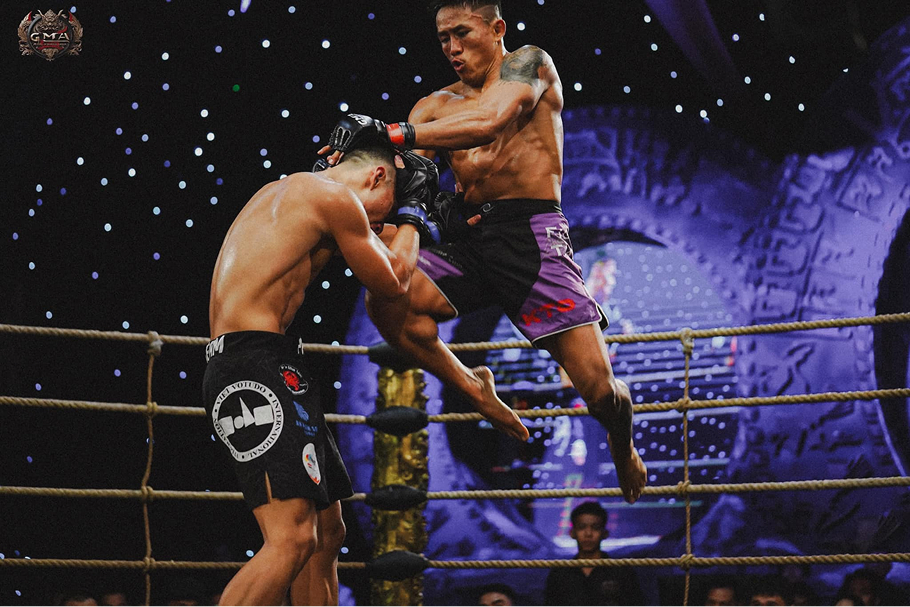
iên Phong MMA started as an extension of the Liên Phong Martial Arts School, which emphasized Vietnamese traditional martial arts like Vovinam and Võ cổ truyền. However, with the global popularity of MMA, the school adapted, embracing disciplines such as Brazilian Jiu-Jitsu, Muay Thai, wrestling, and boxing. The result is a hybrid training environment that respects its roots while preparing fighters for the demands of the modern cage.
What sets Liên Phong apart is its holistic approach. The gym isn’t just focused on producing fighters — it also emphasizes discipline, respect, and community. Fighters are trained to be not only physically strong but mentally sharp, emotionally balanced, and socially responsible. This philosophy has attracted both aspiring fighters and everyday fitness enthusiasts, making Liên Phong a cultural hub for combat sports in Vietnam.
Liên Phong’s impact is most visible through its athletes. Several fighters trained under its roof have entered major regional promotions like ONE Championship, bringing global attention to Vietnam’s talent pool. These fighters are breaking stereotypes and showing the world that Vietnam is more than capable of producing world-class martial artists.
The gym’s success has also sparked broader interest in MMA across the country. More gyms are adopting similar models, local promotions are organizing regular fight events, and Vietnamese fighters are gaining sponsorship deals — things that were rare just a decade ago. The government has even shown growing support, recognizing the potential of MMA to bring international prestige.
Liên Phong MMA’s rise reflects a broader trend in Asia where traditional values are merging with global innovation. In many ways, it represents the modern Vietnamese spirit — proud of its heritage, yet unafraid to evolve. As more Vietnamese fighters step onto international stages, Liên Phong will likely continue to be a cornerstone of this transformation.
In conclusion, Liên Phong MMA is not just a gym; it’s a movement. Its rise marks the beginning of a new era in Vietnamese and Southeast Asian combat sports. With a strong foundation, passionate leadership, and a growing community, Liên Phong is poised to inspire the next generation of fighters and redefine Vietnam’s place in the world of MMA.